



































Rwanda to roll out six-month HIV prevention injection on december 1
A new long-acting HIV prevention option is expected to expand access to preventive healthcare in Rwanda

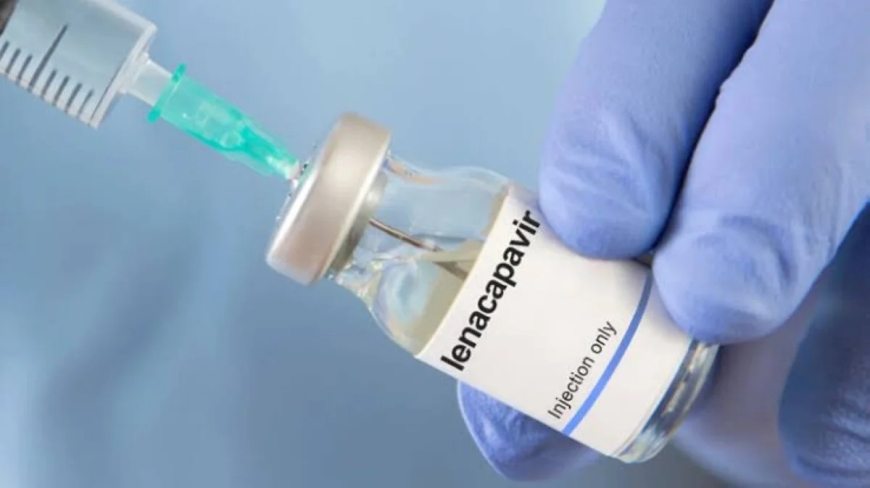
Rwanda will begin administering a new HIV prevention injection that provides protection for six months on December 1, marking a significant step in the country's efforts to curb new infections.
The drug, known as lenacapavir, arrived in Rwanda on November 3 and will initially be available at 12 selected health centres across the country, according to the Rwanda Biomedical Centre (RBC).
The rollout, which coincides with World AIDS Day, will introduce a new prevention option for people at substantial risk of contracting HIV, offering an alternative to daily prevention pills.
Dr Zephanie Nzeyimana, HIV Key Population Strategic Officer at RBC, said the injection will be provided free of charge, with selected district hospitals supporting the participating health centres.
Where the injection will be available
The initial rollout will cover all five provinces, including the City of Kigali, with 12 health centres selected to administer the injection.
In Kigali, the selected facilities are Remera Mental Health Centre in Gasabo District, Kacyiru, Kabusunzu and Gikondo health centres. Gikondo will receive support from Kibagabaga, Nyarugenge and Muhima district hospitals.
In the Eastern Province, the injection will be available at Mukarange and Nyamata health centres, with support from Gahini and Nyamata district hospitals.
In the Western Province, Rubengera and Gisenyi health centres have been selected, supported by Kibuye and Gisenyi district hospitals.
The Northern Province will have two participating facilities: Muhoza (Ruhengeri) and Kinigi health centres, with Ruhengeri Referral Hospital supporting Kinigi.
In the Southern Province, Gitarama and Rango health centres have been selected, with Kabgayi and Kabutare district hospitals supporting Rango.
Who will be eligible?
Nzeyimana said lenacapavir will complement existing pre-exposure prophylaxis (PrEP) methods, expanding prevention choices for individuals at increased risk of HIV infection.
“Lenacapavir will be offered alongside daily oral PrEP and injectable cabotegravir. Eligibility will be determined using a risk-based approach to ensure it reaches people at substantial risk of acquiring HIV, including female sex workers, men who have sex with men, and HIV-negative individuals in sero-discordant relationships, where one partner has HIV and the other does not,” he said.
Unlike daily oral PrEP, lenacapavir is administered every six months, reducing the need for frequent medication and potentially making it easier for people to remain on HIV prevention programmes.
Clinical trials have demonstrated the drug's high effectiveness in preventing HIV infection when administered as prescribed.
Nzeyimana said the drug itself will be provided free of charge, regardless of an individual's ability to pay. However, some associated healthcare services may remain subject to existing health insurance arrangements, including community-based health insurance.
To prepare for the rollout, RBC and its partners have trained healthcare providers to offer accurate and consistent information about the injection, both at health facilities and through community outreach.
Public awareness campaigns will also continue, with particular attention to addressing misinformation and helping eligible individuals understand the benefits of the new prevention method.
A major development in HIV prevention
Developed by pharmaceutical company Gilead Sciences, lenacapavir was approved by the United States Food and Drug Administration on June 18, 2025, under the brand name Yeztugo.
The drug is approved in the United States as a twice-yearly injectable HIV prevention option for eligible adults and adolescents at risk of sexually acquiring HIV.
On July 14, 2025, the World Health Organization (WHO) recommended lenacapavir as an additional PrEP option, describing its introduction as an important advancement in global HIV prevention efforts.
The drug works by interfering with the HIV capsid, disrupting essential stages of the virus's life cycle and helping prevent infection.
Its long-lasting protection is expected to benefit people who struggle with daily medication, frequent visits to health facilities or stigma associated with taking HIV prevention pills.
In September 2025, international health organisations announced agreements with generic drug manufacturers aimed at making lenacapavir available for approximately $40 per person per year in 120 low- and middle-income countries, starting in 2027, subject to regulatory approvals.
Nzeyimana said introducing lenacapavir in Rwanda would broaden access to HIV prevention by giving eligible individuals a more convenient alternative to daily medication.
Rwanda's progress against HIV
The introduction comes as Rwanda continues to record progress in expanding HIV treatment and care.
According to the HIV, STIs and Viral Hepatitis Annual Report 2024/2025, more than 229,000 people were receiving antiretroviral therapy as of June 2025, representing 96.9 per cent treatment coverage.
Retention in care also remained high, with 94 per cent of patients continuing treatment after one year.
In addition, many patients now receive medication supplies lasting three to six months, reducing the need for monthly health facility visits.
Rwanda will join Kenya and Uganda, which introduced lenacapavir earlier in 2026.
Kenya became the first East African country to launch the injection on February 26 at Riruta Health Centre in Nairobi, followed by Uganda on April 17 at Lira Regional Referral Hospital.
The December 1 rollout will expand the HIV prevention options available in Rwanda, with eligible individuals able to access twice-yearly injections alongside existing prevention methods.