

















US sanctions Rwanda’s defence ministry and Zigama bank over DR Congo conflict
The United States has imposed sanctions on Rwanda’s Ministry of Defence and Zigama Credit and Savings Society over the ongoing conflict in eastern DRC

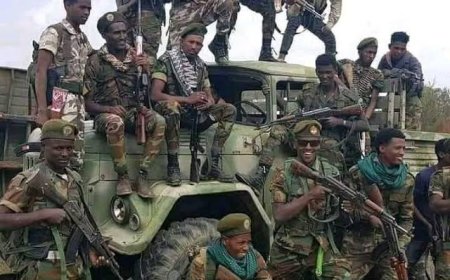
The sanctions, announced on Wednesday, October 28, 2026, target Rwanda’s defence establishment and a financial institution that the US Treasury Department accuses of facilitating military support for the Refoundation of the Nation (FRN), formerly known as AFC-M23.
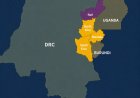
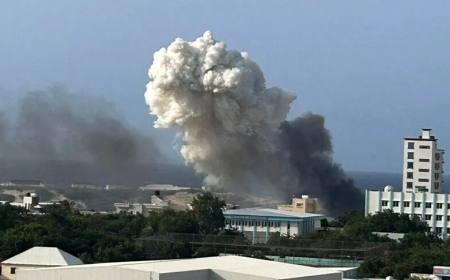
The decision comes amid continued fighting in eastern Congo, where the rebels are battling Congolese government forces and the Democratic Forces for the Liberation of Rwanda (FDLR), an armed group with roots in the 1994 genocide against the Tutsi.
Rwanda denies supporting FRN and has repeatedly cited the threat posed by the FDLR as a major security concern.
In announcing the sanctions, US Treasury Secretary Scott Bessent called on Kigali to end its alleged support for the rebel movement and withdraw its troops from Congolese territory.
“Rwanda must halt its support for M23 and withdraw its troops from eastern DRC,” Bessent said in a statement.
The administration of US President Donald Trump has sought to mediate between Kigali and Kinshasa, which signed the Washington Accords in 2025 to end hostilities and establish a framework for resolving their longstanding tensions.
However, fighting has continued despite the diplomatic initiative, raising questions about the implementation of the agreement and the effectiveness of international efforts to restore stability in the region.
Rwanda questions implementation of peace agreement
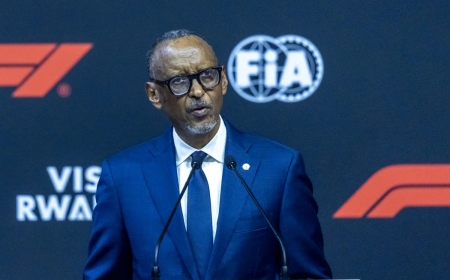
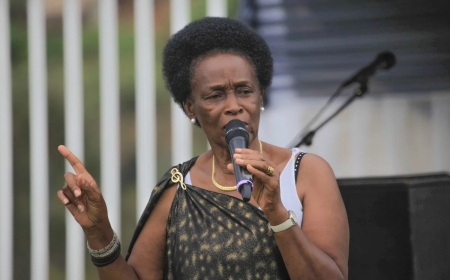
Rwandan government spokesperson Yolande Makolo said the Washington Accords include commitments to neutralise the FDLR, which she maintained remain unfulfilled.
Makolo said Rwanda remained willing to implement the agreement, provided the Democratic Republic of Congo also fulfilled its obligations and the mediator ensured that all parties were held accountable.
“Rwanda remains ready to fully implement the Washington Accords, concurrently with the willingness of the DRC to fulfill those commitments, and with the mediator holding all parties accountable,” she said.
Kigali’s position highlights a central disagreement between the neighbouring countries over the security conditions required to achieve lasting peace in eastern Congo.
While Washington accuses Rwanda of providing military assistance to FRN, Rwanda maintains that the FDLR threat must be addressed as part of any sustainable resolution to the conflict.
US accuses Rwanda’s defence ministry of supporting rebels
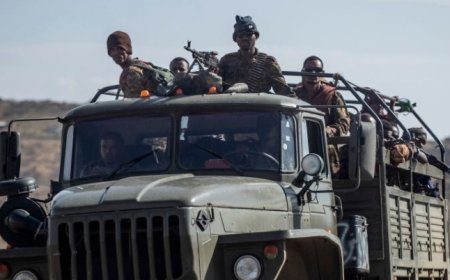
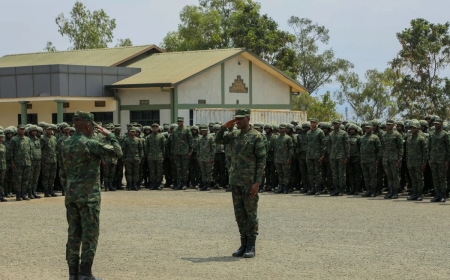
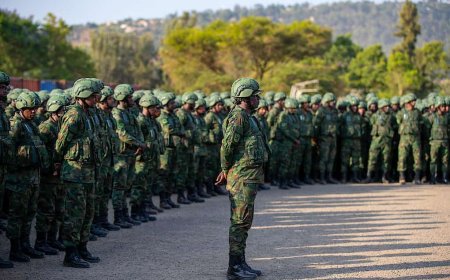
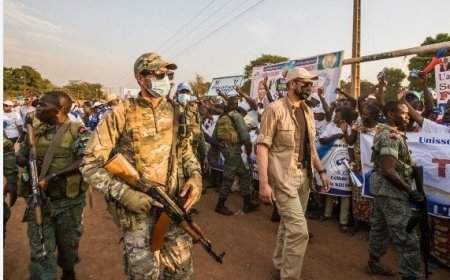
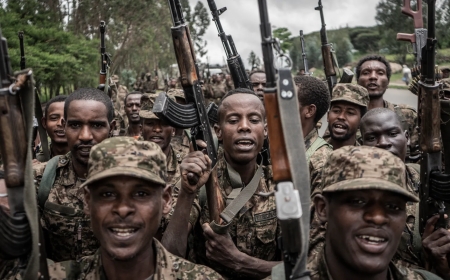
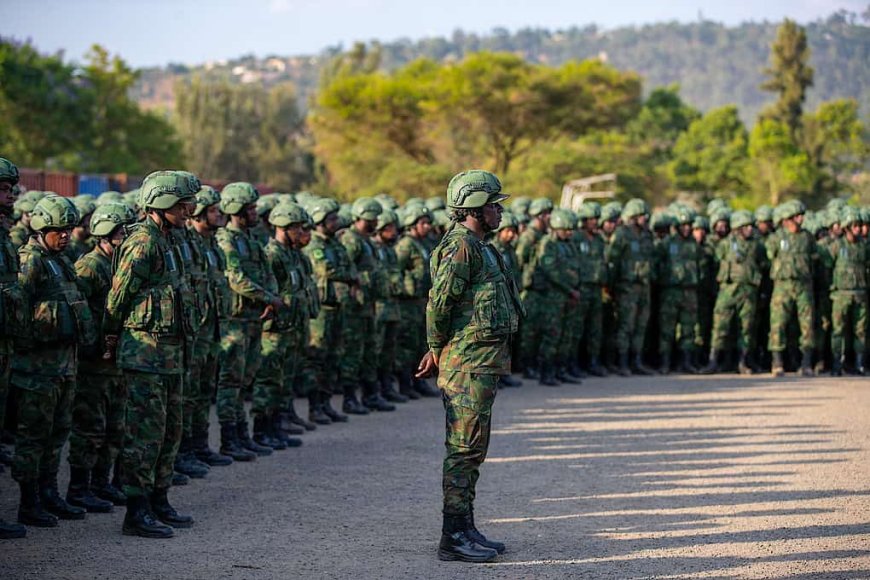
According to the US Treasury Department, Rwanda’s Ministry of Defence directed the Rwanda Defence Force (RDF) to deploy thousands of troops across North and South Kivu provinces.
The department alleged that the troops conducted operations alongside FRN fighters and provided the armed group with military equipment and other forms of support.
The RDF had previously been subjected to US sanctions.
Washington also designated Zigama Credit and Savings Society, accusing the Rwandan financial institution of operating on behalf of the country’s security services and playing a significant role in facilitating alleged support for the rebels.
The Treasury Department said Zigama had facilitated payments to entities in China and other countries for weapons, ammunition and other military equipment intended for the RDF.
It further alleged that a branch of the institution enabled the transportation of gold from rebel-controlled territory in eastern Congo to Rwanda.
Zigama’s chief executive officer did not immediately respond to a request for comment.
Despite Washington’s repeated sanctions against Rwanda, the latest measures have raised questions among some observers about whether the US approach to the conflict in eastern DR Congo is balanced or adequately addresses the security concerns raised by Kigali.
Critics of Washington’s policy may view the sanctions as disproportionately targeting Rwanda while giving insufficient attention to the broader dynamics of the conflict, including the activities of armed groups operating in eastern Congo and the unresolved threat posed by the Democratic Forces for the Liberation of Rwanda (FDLR).
Some may also interpret the measures as an attempt to accommodate Kinshasa’s demands, particularly amid wider diplomatic and economic negotiations involving access to the DRC’s mineral resources.
The issue of mineral concessions has added another dimension to the debate. The United States and the DRC have pursued closer economic cooperation, including discussions surrounding critical minerals. Rubaya, a major coltan-producing area in North Kivu that has been under the control of AFC-M23, now known as the Refoundation of the Nation (FRN), has also featured in discussions about the conflict’s mineral economy.