





















Kigali Milk Shortage Worsens as Drought Hits Rwanda’s Dairy Farmers
A prolonged dry spell is disrupting milk supplies in Kigali as Rwanda’s dairy farmers struggle with rising feed and water costs.

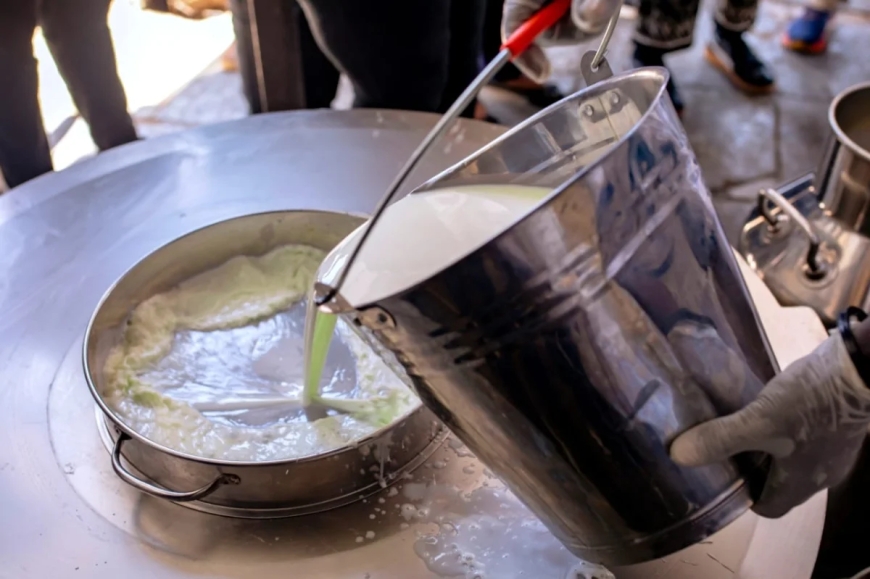
Milk supplies are tightening across Kigali as a prolonged dry spell takes a heavy toll on dairy farmers, leaving them struggling to secure sufficient fodder and water for their cattle.
A spot check at dairy shops in Gishushu, Nyarutarama and Gisimenti found widespread shortages. Of nine outlets visited, including four in Gishushu, two in Nyarutarama and three in Gisimenti, only one had milk available.
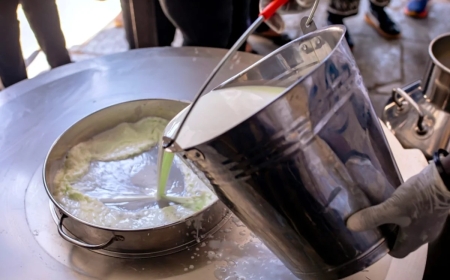
Retailers said the supply disruptions had persisted for weeks, with some reporting that milk sells out within minutes whenever a new delivery arrives.
At an Inyange Industries supply point in Gishushu, one seller said shortages had affected her business for more than a week and had persisted through much of August. Despite the scarcity, she said the retail price remained around Rwf900 per litre.
“Milk, generally, has disappeared everywhere,” she said.
In Gisimenti, another retailer said she had completely run out of milk but was expecting a delivery. She said customers could quickly exhaust the available stock once supplies arrived.
Dry conditions hit production
The shortage at retail level is being driven by declining production on farms, where the dry season has reduced access to livestock feed and water.
In a statement issued this week, Inyange Industries said the prolonged dry spell had “drastically affected” milk production volumes. The company said, however, that its prices to distributors had remained unchanged since March 2026.
Inyange said a 500ml carton of whole milk costs Rwf8,000 for distributors and Rwf8,500 at milk zones, while pasteurised whole milk is sold at Rwf800 per litre at milk zones.
The company said any future price adjustments would be announced publicly and in advance through its official channels, while expressing hope that milk production would soon recover.
The production crisis is particularly evident in rural dairy-producing areas such as Nyagatare District.
Emmanuel Nkubito, a farmer who keeps 30 cows and also produces fodder for sale, said demand for animal feed has surged beyond his ability to supply it.
“Farmers are asking me for fodder, but I also have to feed my own cattle. I do not have enough capacity to produce the amount they need,” he said.
He added that a lack of equipment was causing some harvested fodder to go to waste.
“I harvest the fodder and wait for a baling machine to arrive, but sometimes the sun dries the fodder before the machine comes, and farmers do not get it on time,” he said.
Nkubito called for greater access to finance and agricultural equipment to enable farmers to expand fodder production.
Farmers face soaring costs
The drought has also increased the cost of keeping cattle alive and productive.
Farmer Gahiga Gashumba said higher temperatures had made access to both feed and water increasingly difficult, forcing farmers to spend significantly more.
“People are buying water and food now. The food is costly. The food for 30 cows in a week is costing Rwf230,000,” he said.
“When you count that plus the cost of water, it becomes a big problem.”
Gashumba said some dams previously used to provide water for livestock had dried up.
The consequences for milk production have been dramatic. He said the quantity of milk he previously supplied to Inyange had fallen from about 100 litres per day to fewer than 20 litres.
In Gicumbi District, farmer Agnes Mukangiruwonsanga reported a similar decline, attributing lower yields to inadequate feeding.
“There is nothing you can get from the cows which you didn’t feed. A cow which used to produce 10 litres is producing two litres,” she said.
Government seeks long-term solutions
The government says improving access to water and animal feed is essential to protecting Rwanda’s dairy sector as weather patterns become increasingly unpredictable.
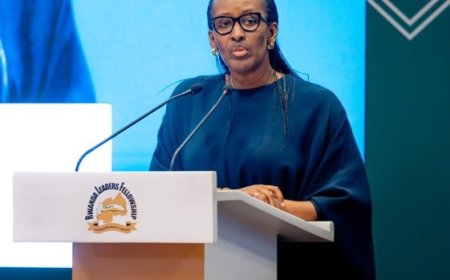
State Minister in the Ministry of Agriculture Solange Uwituze said the government is working to expand community-based water infrastructure, including boreholes, to bring reliable water sources closer to livestock farmers.
“If we want to increase milk production, we need to invest in water access by drilling boreholes,” Uwituze said.
She added that authorities are also encouraging farmers to communicate their feed requirements to animal-feed processors in advance so that companies can prepare adequate supplies before shortages worsen.
The government is simultaneously seeking to improve dairy productivity through better cattle genetics. Uwituze said Rwanda currently has 30 bulls in its breeding programme and has renewed breeding stock with dairy breeds such as Jersey and Friesian.
Rwanda plans to expand milk collection capacity
Beyond production, Rwanda is also investing in infrastructure to ensure that milk can be collected, cooled and transported efficiently.
The government plans to construct 47 new milk collection centres and renovate 45 existing facilities.
The expansion is expected to increase national milk-cooling capacity from about 483,000 litres to 1.32 million litres per day.
The investments form part of a broader strategy to raise Rwanda’s daily milk production from approximately 3.2 million litres currently to 6.8 million litres by 2029.
At the same time, annual per-capita milk consumption is projected to more than double, from 82 litres in 2025 to 165 litres by 2029.
For now, however, consumers in Kigali are confronting an immediate supply squeeze, while dairy farmers face the more fundamental challenge of keeping their cattle fed and watered through the prolonged dry spell.