









Belgium, Angola and Tanzania Reportedly Drawn Into DRC Conflict as M23 Advances
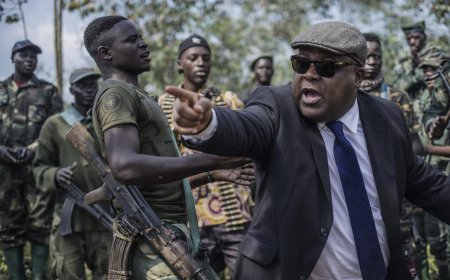
Reports of foreign military deployments are emerging as M23 advances in eastern DR Congo, with Belgium, Angola and Tanzania reportedly linked to new troop movements.

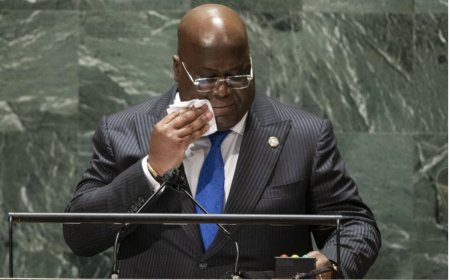
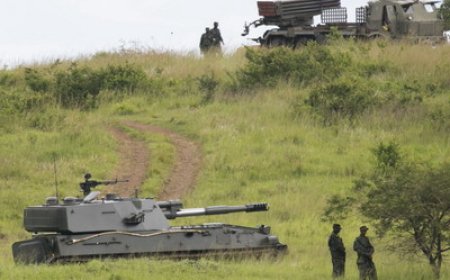
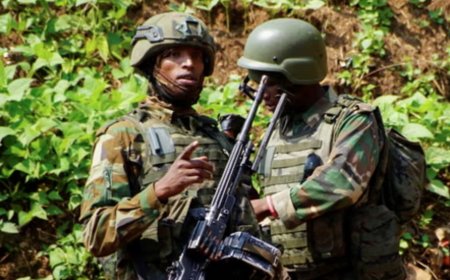
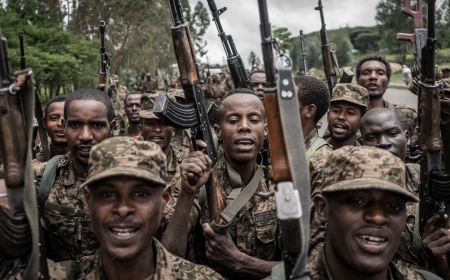
New reports are raising questions over the possible deployment of additional foreign troops to the Democratic Republic of Congo as fighting between AFC/M23 and forces aligned with the government of President Félix Tshisekedi continues.
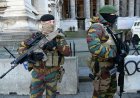
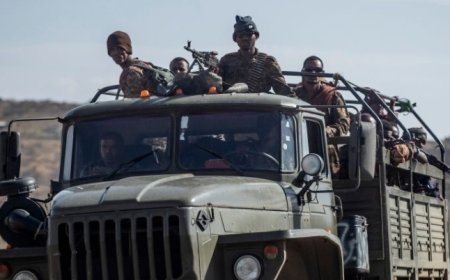
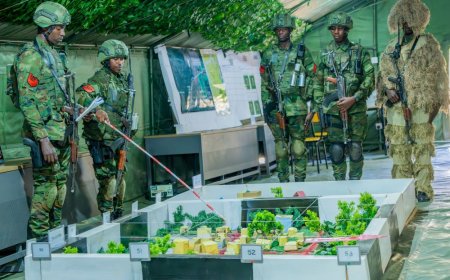
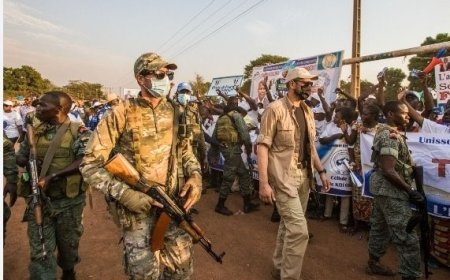
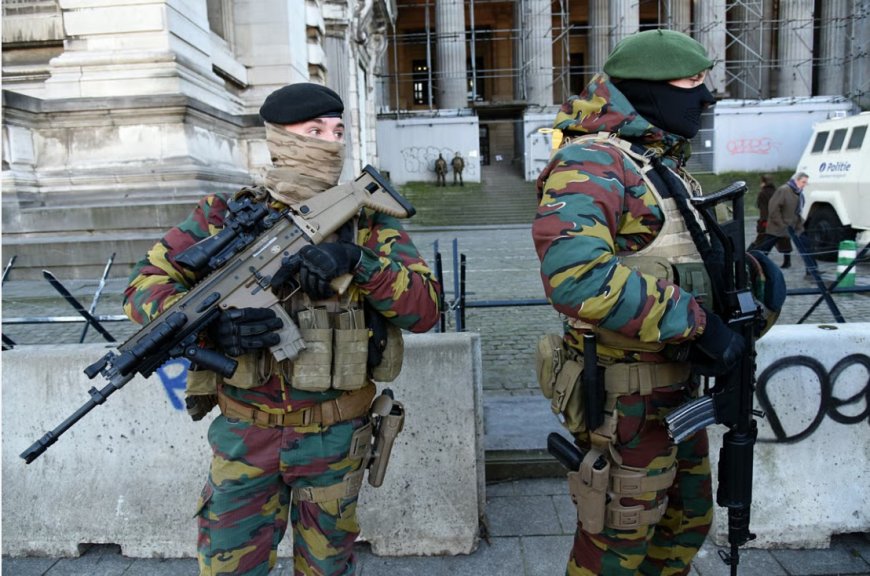
Reports circulating in Congolese media claim that Belgium has deployed hundreds of soldiers to support the Congolese armed forces in their confrontation with M23. Some of the reports put the number at around 400 troops and claim that the contingent is equipped with armoured vehicles and drones.
Belgium has previously denied reports alleging that it had deployed troops to eastern DRC to fight M23. In April 2025, Belgian authorities rejected claims circulating online that between 300 and 400 Belgian commandos were being sent to the region to fight alongside FARDC and allied militias.
There is therefore a need for caution regarding the latest reports of an alleged Belgian deployment. No official Belgian announcement confirming the reported deployment of 400 combat troops to eastern DRC was identified in the sources reviewed for this report.
Angola Reportedly Deploys Troops to Grand Katanga
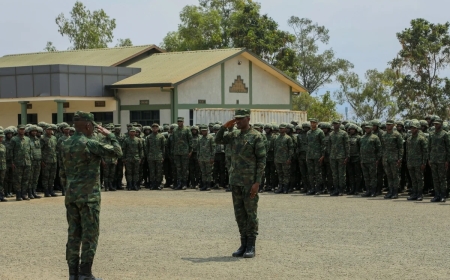
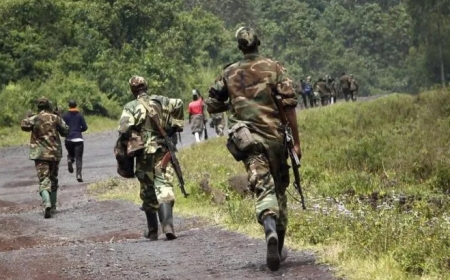
Separately, reports from Kinshasa suggest that Angola has deployed approximately 1,500 troops toward the Grand Katanga region. Sources claim the soldiers departed from the Cabo Ledo commando training center near Luanda on September 2, 2026, before boarding a military plane bound for the DRC.
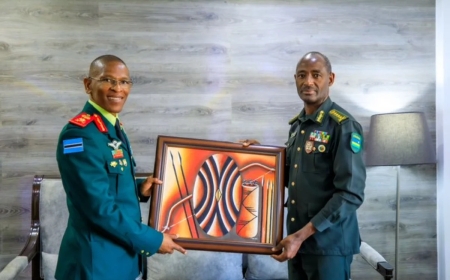
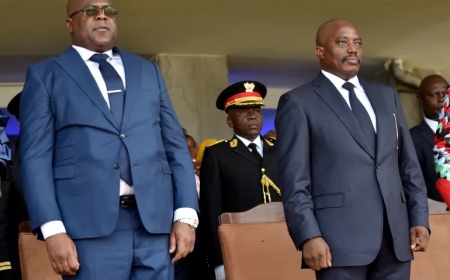
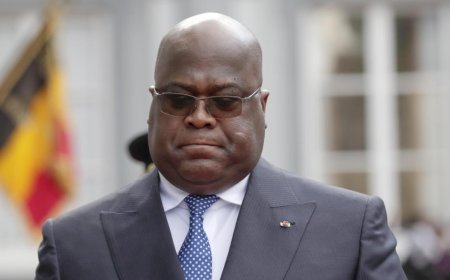
This movement reportedly follows high-level talks between Congolese President Félix Antoine Tshisekedi and Angolan President João Lourenço. The stated objective is to secure Greater Katanga — a region rich in minerals and strategically vital to the Congolese economy — and prevent M23 expansion southward.
According to the latest information, the Angolan contingent has reached Moxico province, near the DRC border, but their operational entry into Congolese territory has not yet been confirmed.
M23 Pressure Continues
The reports of possible foreign military reinforcements come as fighting continues along several fronts.
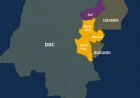
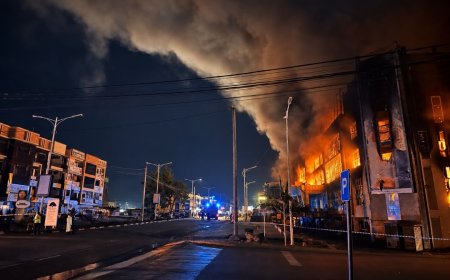
The latest conflict monitoring reports indicate that M23 has continued to consolidate and expand its territorial control in parts of southern Masisi, while clashes have also been reported in areas around Walikale and Kalehe.
The developments have increased concerns in Kinshasa and among countries supporting the Congolese government that the conflict could spread toward strategically important areas further south.
The possibility of additional deployments by regional allies would represent another escalation in an already complex conflict involving FARDC, M23 and several allied armed groups and foreign forces.
Tanzania Deployment Remains Unconfirmed
There are also claims that Tanzania could deploy troops to the Katanga area.
At the time of publication, however, no reliable official confirmation of a new Tanzanian deployment to Katanga was identified.
Tanzania has previously been involved in regional security efforts linked to the DRC conflict, but any new deployment would require confirmation from Tanzanian or Congolese authorities.
A Conflict With Wider Regional Implications
The reported movement of troops comes against the backdrop of ongoing diplomatic efforts to end the conflict.
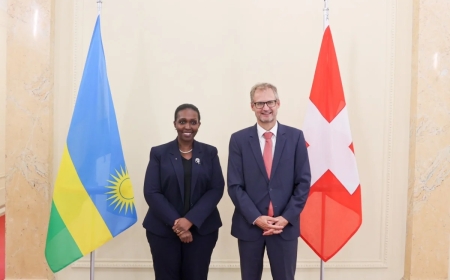
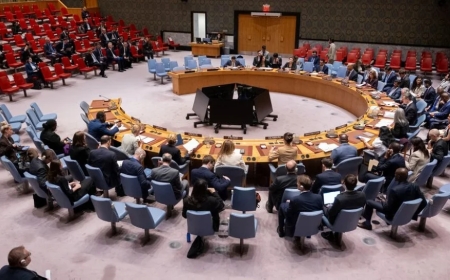
In August, the International Contact Group for the Great Lakes region, which includes Belgium and several other Western countries, called on all parties to respect commitments under the Washington agreements and the Doha framework and to avoid further escalation.
For now, the battlefield situation remains fluid, while reports of new foreign military deployments continue to circulate.
Any confirmed arrival of large numbers of foreign troops in strategically important parts of the DRC could significantly alter the military and political dynamics of the conflict.