




































Gisagara peat power plant could reach 70MW under new investor proposal
Rwanda is reviewing an investor proposal to stockpile peat during the dry season and help the Gisagara power plant reach its full 70MW capacity year-round.

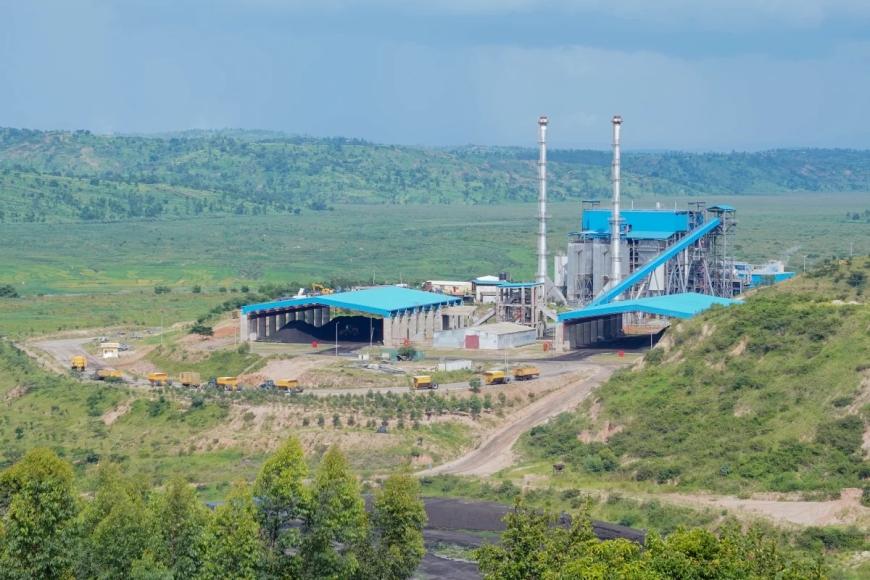
Rwanda has received a proposal from an investor outlining a plan to extract and stockpile large quantities of peat during the dry season, enabling the Gisagara peat power plant to operate consistently throughout the year, Minister of Infrastructure Damien Murwanashyaka has said.
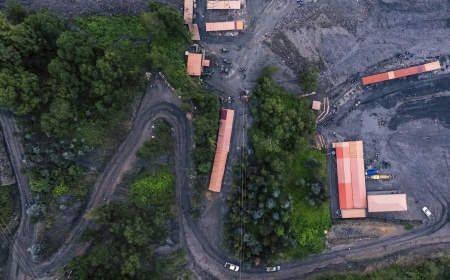
The facility, known as the Hakan Power Plant, is located in Mamba Sector of Gisagara District, adjacent to the peat extraction site. Construction began in 2017, and the plant started supplying electricity to the national grid in 2021.
Currently, peat is extracted only during the dry season and is not stockpiled, leaving the plant without sufficient fuel to operate at full capacity during the rainy season.
Murwanashyaka said stockpiling large quantities of peat during the dry season could enable the Gisagara plant to operate at its full generation capacity of 70MW.
"This plant was designed to produce 70 megawatts. However, because peat can only be mined during the dry season and no adequate stockpiles are prepared for the rainy season, mining stops when the rains come. The plant is producing only between 30MW and 35MW," he said.
The plant requires 2,191 tonnes of peat per day, but extracts only 600 tonnes due to limited supply, compounded by challenges posed by climate change, particularly during the rainy season, officials said.
"What I want to reassure everyone is that we have an investor who has proposed a solution. The proposal is currently under review by the government. The investor would extract enough peat during the dry season so that, instead of slowing down during the rainy season, the power plant can continue operating without interruption,” the minister said.
The plant requires a consistent supply of 1.2 million cubic metres of peat—enough to be stockpiled and sustain continuous generation.
The plant's management has repeatedly pointed to repeated flooding in the extraction area, caused by rising water levels in Akanyaru River, as a major disruption to production.
Over the past four years, climate change has significantly affected the river’s water levels. Originally, the river level was recorded at 3.5 metres, but it has now risen to 4.9 metres, he said, pointing out that this change was unforeseen.
Floodwaters wash away some of the peat while leaving other deposits waterlogged, making extraction during the rainy season difficult.
The electricity generated by the Gisagara peat-fired power plant is fed into Rwanda's national electricity grid.
At the end of 2025, the management of Hakan Power Plant said approximately $25 million was needed to address the challenges preventing the facility from reaching its full production capacity.
Plant managers say there is availability of sufficient peat resources in Rwanda, citing studies indicating the ample supply from the Rwabusoro Marshland in Gisagara District, Southern Province, capable of sustaining the plant's operations for 30 years.
The plant extracts peat from around 300 hectares, but its management said the area needs to be expanded to about 800 hectares to meet its target.
Studies have shown that Rwanda has approximately 155 million tonnes of peat reserves spread across 50,000 hectares.
Rwanda currently has an electricity generation capacity of 471MW, up from 406MW in 2024, and aims to increase it to 615MW by 2029.