








AFC/M23 say restraint is strategic, Not a sign of military weakness
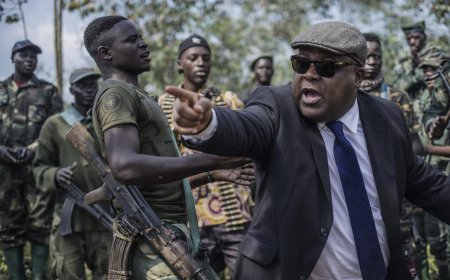
AFC/M23 coordinator Corneille Nangaa says the group has the military capacity to continue fighting but remains committed to a political and diplomatic solution in eastern DRC

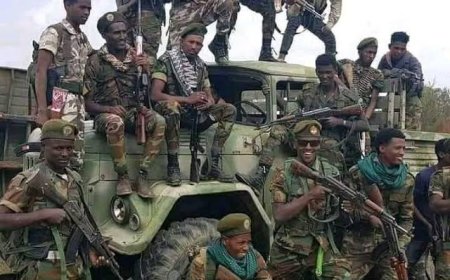
The leadership of the Alliance Fleuve Congo (AFC)/M23 has sought to dispel the perception that its decision to refrain from capturing additional territories controlled by the Democratic Republic of Congo’s government is attributable to a lack of military capacity, arguing instead that the movement is deliberately prioritising a political and diplomatic resolution to the country’s protracted security crisis.
AFC coordinator Corneille Nangaa made the remarks on October 7, 2026, in response to a journalist who questioned why the armed coalition was not pursuing further territorial advances.
Nangaa maintained that AFC/M23 had consistently advocated for negotiations, dating back to the period when M23 was operating in the Sabyinyo area and before the movement became part of the broader AFC coalition. According to him, repeated appeals for dialogue were rejected by authorities in Kinshasa, allowing the conflict to persist and subsequently spread across parts of North and South Kivu.
“From Sabyinyo to Bunagana, AFC/M23, even when it was still M23, called every day for dialogue to bring this crisis to an end. But our opponents rejected it,” Nangaa said.
He argued that the subsequent military developments should therefore not be interpreted as evidence that the movement has abandoned the possibility of a negotiated settlement. Rather, Nangaa portrayed AFC/M23 as a party committed to peace and claimed that it had honoured the commitments it had undertaken under existing ceasefire arrangements.
“We want to tell the world and all Congolese that we are partners for peace. We are respecting all our commitments. We signed a ceasefire and we are respecting it,” he said.
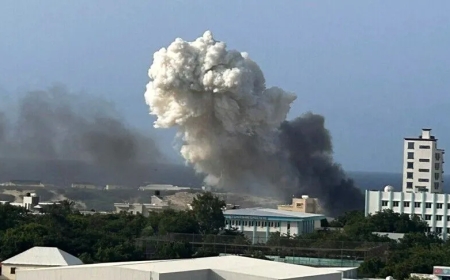
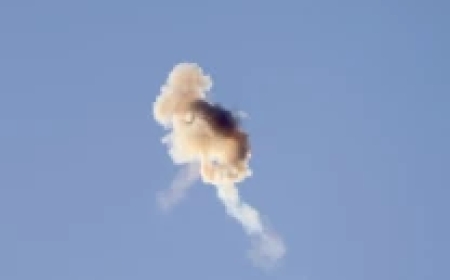
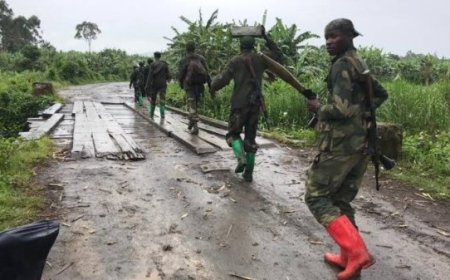
Nevertheless, Nangaa accused forces aligned with the Kinshasa government of continuing military operations against AFC/M23 positions in several parts of eastern DRC. He cited reported airstrikes and artillery attacks in the vicinity of Minembwe as an example of what he described as continued military pressure against the movement.
The AFC coordinator warned that the group's restraint should not be misconstrued as an indefinite willingness to absorb attacks without retaliation. He acknowledged that AFC/M23 possesses the capacity to sustain military operations, but insisted that its preferred objective remains the pursuit of a political and diplomatic settlement.
“We are called extremists. We have the strength. We captured Bunagana, Rutshuru and reached where we are today. But we have the will to find a political and diplomatic solution,” Nangaa said.
His remarks nevertheless contained an explicit warning that the movement could resume territorial military operations if attacks against its positions continue.
“If they continue what they are doing in Minembwe today, we will not tolerate it. The time will come when we receive instructions to go there,” Nangaa said.
Nangaa’s statements underscore the tension between AFC/M23’s declared preference for negotiations and the possibility of renewed military escalation in eastern DRC. While the movement maintains that it is committed to a political settlement, its leadership continues to reserve the option of further military action should it conclude that its positions are under sustained attack.