






































Rwanda records 3,200 legal abortion requests in 2025/2026
Rwanda recorded 3,200 requests for legal abortion services in 2025/2026, up from 1,800–2,200 annually, as RBC plans nationwide expansion

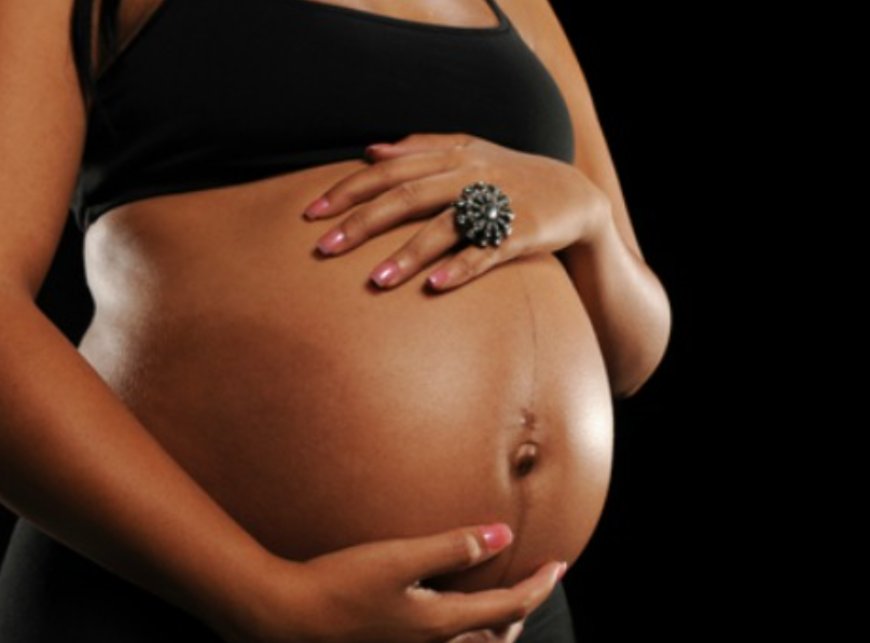
Rwanda recorded 3,200 requests for legal abortion services during the 2025/2026 fiscal year, up from between 1,800 and 2,200 annually in previous years, according to the Rwanda Biomedical Centre (RBC).
Dr François Regis Cyiza, head of the Maternal and Child Health Programme at RBC, said the increase reflects improved access to services following changes in the legal framework and efforts to bring healthcare closer to women and girls who need it.
He made the remarks on October 9, 2026, during discussions between the Rwanda Parliamentary Network on Population and Development (RPRPD) and journalists.
“Before June 2025, the number of people requesting and receiving legal abortion services in health facilities was between 1,800 and 2,200 annually,” Cyiza said.
He added that the number rose to 3,200 in the 2025/2026 fiscal year, representing an increase of approximately 1,000 requests compared with previous years.
According to Cyiza, the figures suggest that some women and girls who needed the services previously faced difficulties accessing them, partly because they were mainly available at public and private hospitals and polyclinics.
Health Centres to Offer Services Nationwide
RBC says it plans to expand the provision of legal abortion services to health centres across Rwanda following a one-year pilot programme that it considers successful.
The pilot was implemented in 43 health centres across Musanze, Karongi, Rwamagana and Ruhango districts.
Of the 3,200 women and girls who requested the services during the 2025/2026 fiscal year, between 900 and 1,000 received care through health centres participating in the pilot programme, according to Cyiza.
The programme allows trained nurses and midwives to receive patients, conduct initial assessments and arrange the necessary medical tests. The results are then shared electronically with a doctor at a hospital, who reviews the case in consultation with the healthcare professional at the health centre before a decision is made about providing the service.
Cyiza said the pilot demonstrated that legal abortion services could be provided appropriately at health-centre level.
“We are now planning to extend this programme across the entire country,” he said.
The planned expansion is intended to improve access to services, particularly for women and girls who may face difficulties travelling to hospitals or other facilities offering the care.
Circumstances Under Which Abortion Is Legal in Rwanda
Abortion remains a sensitive issue in Rwanda, where religious beliefs and differing views on the protection of unborn life continue to shape public debate.
However, Rwandan law provides for legal abortion under specific circumstances, as stipulated in the ministerial order governing the procedure.
These circumstances include pregnancy involving a child, pregnancy resulting from rape or forced marriage, and pregnancy resulting from sexual relations between close relatives up to the second degree of kinship.
Abortion may also be permitted when the pregnancy poses a risk to the life or health of the pregnant woman or the foetus.
Except in cases involving risks to the health or life of the pregnant woman or foetus, the procedure must be performed before the pregnancy reaches 22 weeks.
The regulations also establish specific requirements for minors seeking the service. Where the person seeking an abortion is a child, the request is made through their legally recognised representatives following consultation. If the representatives disagree among themselves or with the child, the child's wishes take precedence under the provisions described in the ministerial order.
Legal abortion services may be provided at public or private healthcare facilities authorised to offer them, including hospitals, health centres and polyclinics. Private facilities must meet the requirements established by the Ministry of Health before they can be authorised to provide the service.
Religious Healthcare Facilities
The planned nationwide expansion raises questions about how faith-based healthcare facilities will participate, given that some religious institutions oppose abortion on religious and moral grounds.
Cyiza said RBC works with healthcare facilities affiliated with religious organisations, while recognising that some may be unwilling to provide certain services because of their beliefs.
He explained that when a faith-based facility cannot provide a particular service, healthcare workers can help direct the patient to another facility where the service is available.
“Although these facilities work with the government and provide general healthcare services, some may not offer legal abortion services because of their religious beliefs,” Cyiza said.
He added that cooperation with such facilities helps ensure that patients can be referred elsewhere when the service they need is unavailable at the facility they initially visit.