


















Nduhungirehe questions Ekenge’s return as FARDC spokesperson
Rwanda Foreign Minister Olivier Nduhungirehe questions the return of Maj Gen Sylvain Ekenge as FARDC spokesperson amid concerns over anti-Tutsi hate speech

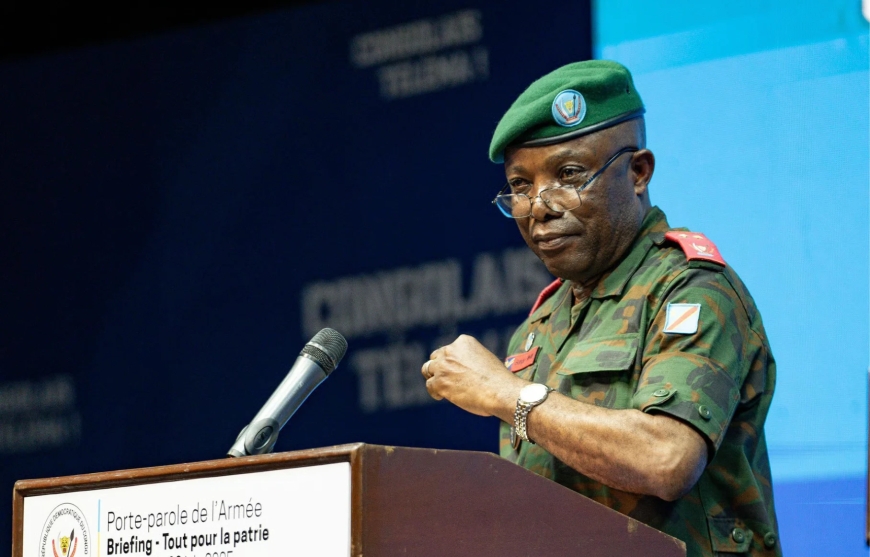
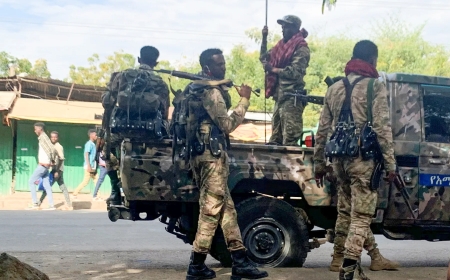
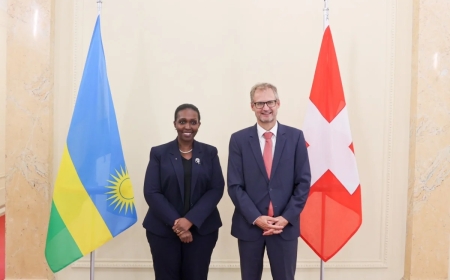
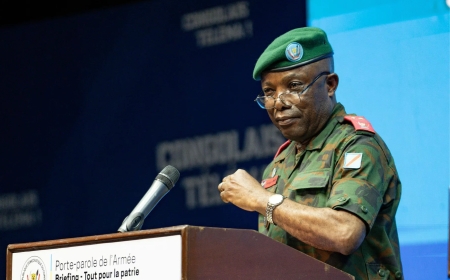
Rwanda’s Minister of Foreign Affairs and International Cooperation, Olivier Nduhungirehe, has questioned the return of Major General Sylvain Ekenge to the position of spokesperson for the Armed Forces of the Democratic Republic of Congo (FARDC), linking the development to concerns over hate speech targeting Congolese Tutsi.
Nduhungirehe raised the issue in a post on X on Sunday, September 27, describing Ekenge’s return as “troubling and indecent” given remarks the Congolese army officer made in December 2025.
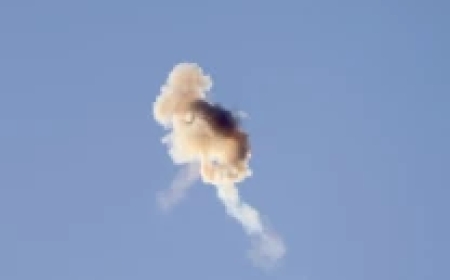
Ekenge’s return became publicly apparent through a FARDC statement issued on September 25 concerning an aircraft crash in Kenge, Kwango Province, that killed senior military officials. The statement was signed by Ekenge and identified him as spokesperson of the Congolese armed forces.
There has not, however, been a separate public announcement formally explaining the lifting of Ekenge’s suspension or announcing his reappointment. Reports indicate that he had been suspended in December 2025 following remarks made on Congolese public broadcaster RTNC that were criticised as discriminatory toward the Tutsi community.
In his reaction, Nduhungirehe recalled Ekenge’s December 2025 comments concerning marriages between Congolese men and Tutsi women. The Rwandan minister said the remarks raised broader questions about how hate speech targeting Congolese Tutsi is addressed within state institutions.
Nduhungirehe also criticised the manner in which Ekenge’s return became public, arguing that it emerged through a military statement concerning the aircraft crash rather than through a dedicated announcement about his return to the spokesperson role.
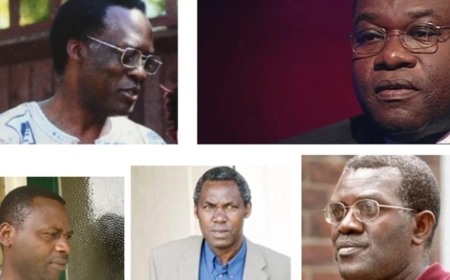
The Rwandan minister further connected Ekenge’s earlier remarks to the “Ten Commandments of the Hutu,” a text published in Rwanda in 1990 by Hassan Ngeze, who was later convicted by the International Criminal Tribunal for Rwanda.
Nduhungirehe characterised Ekenge’s return as evidence of what he described as broader institutional acceptance of anti-Tutsi hate speech in the Democratic Republic of Congo. That interpretation is the Rwandan minister’s stated position; the available reporting does not establish independently that the Congolese government has adopted such a policy.
The return of Ekenge to an official military communications role is likely to add another point of contention between the two governments.