



























Nduhungirehe Urges Africa to Develop AI Systems for Security
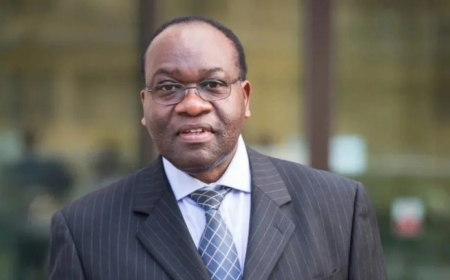
Rwanda’s Foreign Minister Olivier Nduhungirehe has stressed the need for African countries to develop homegrown AI systems to strengthen security.

Africa must build its own AI capabilities to protect its security and sovereignty as autonomous technologies become increasingly accessible to non-state actors, according to Olivier Nduhungirehe, the Minister of Foreign Affairs and International Cooperation.
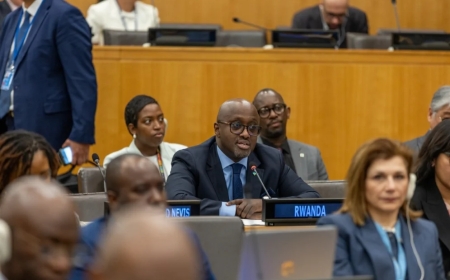
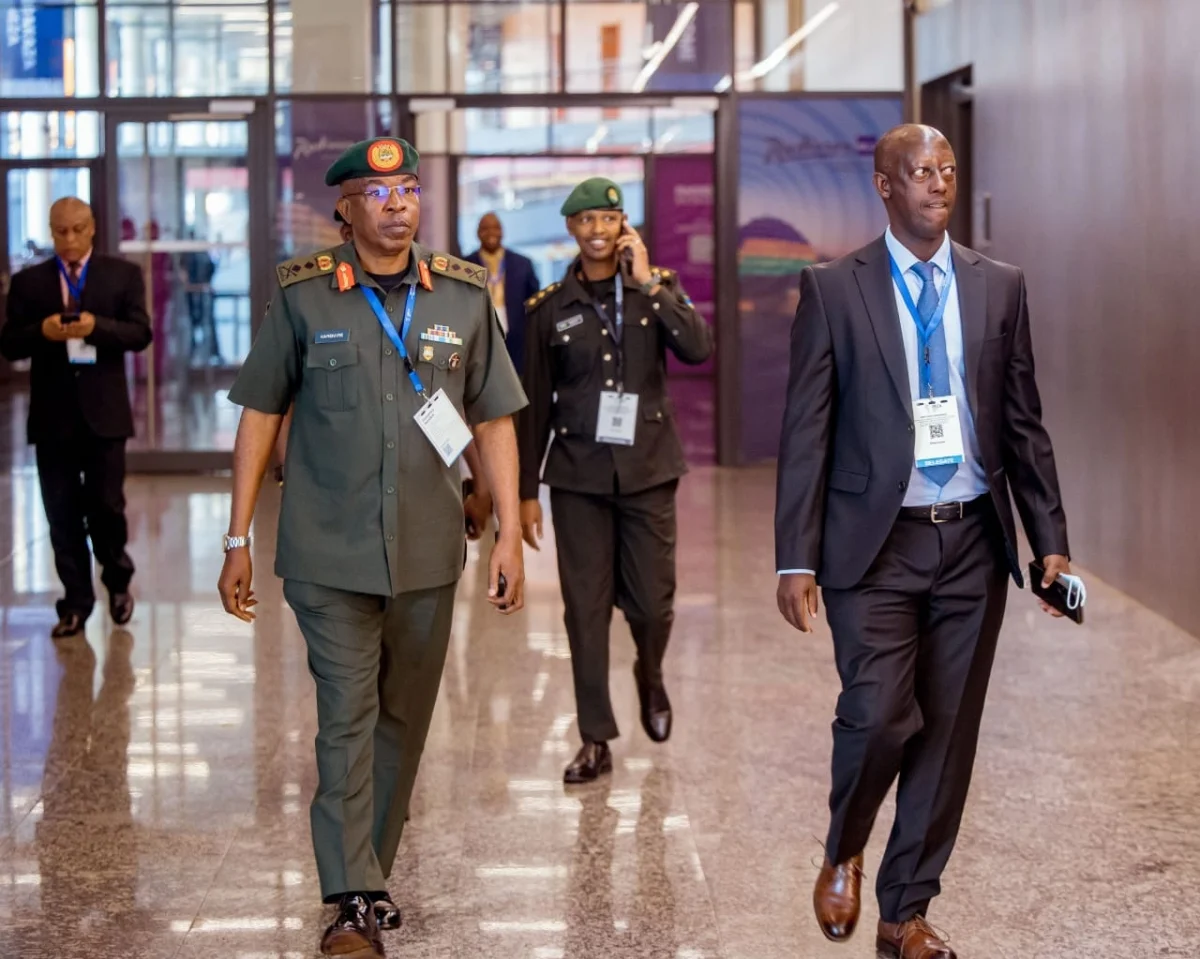
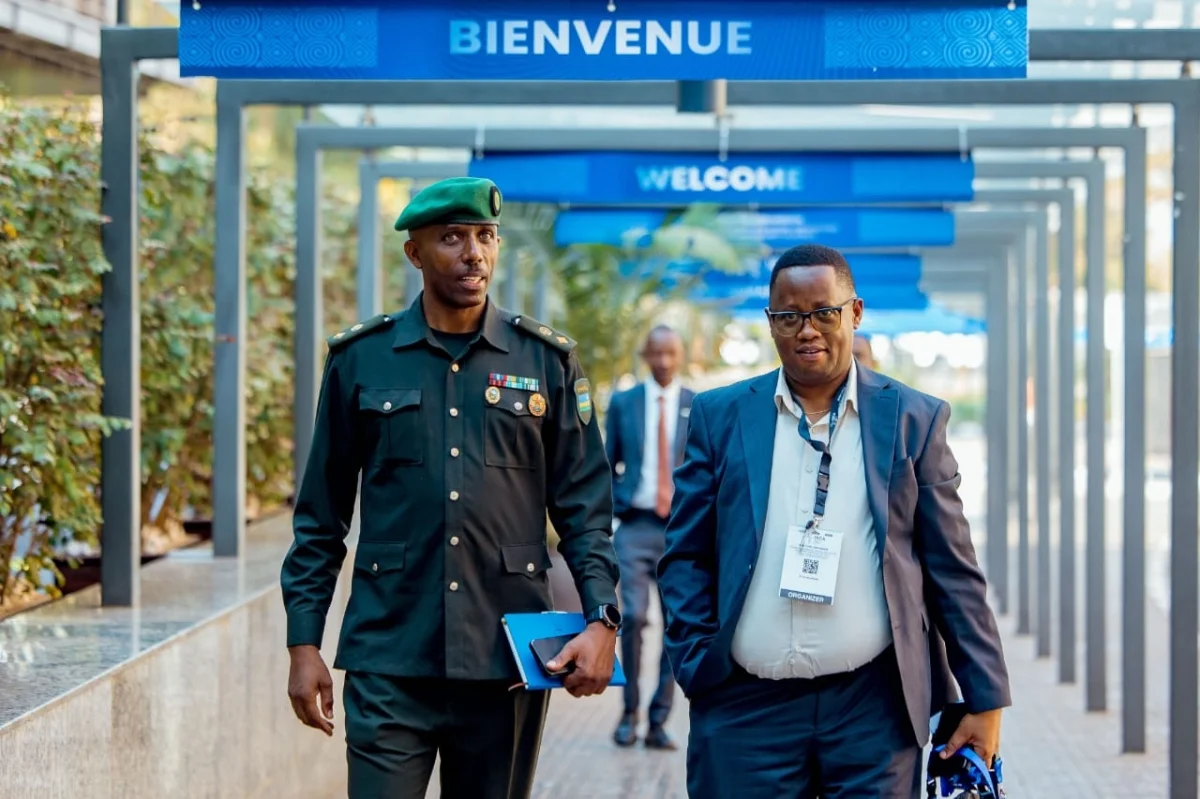
He said this on Wednesday, August 12, as the International Security Conference on Africa (ISCA) High-Level Discussion opened in Kigali.
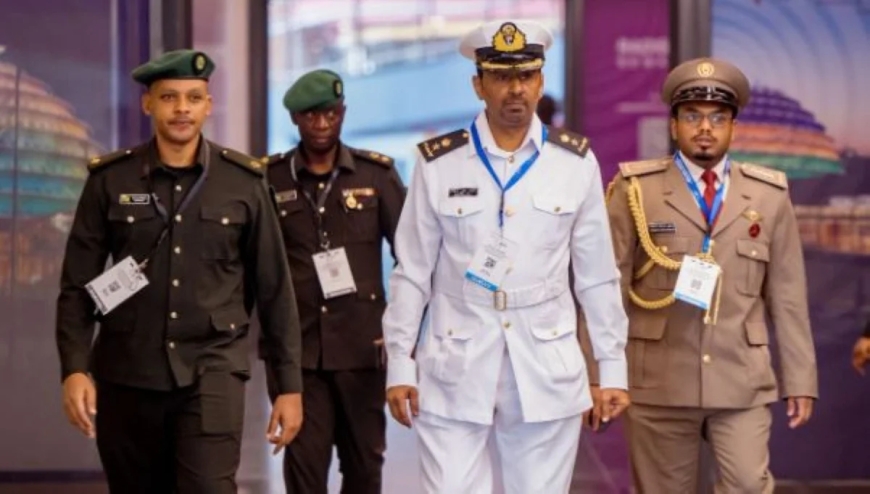
The conference brought together security leaders, policymakers, researchers, technology experts and development partners to examine the implications of autonomous and AI-enabled systems for Africa’s defence and security.
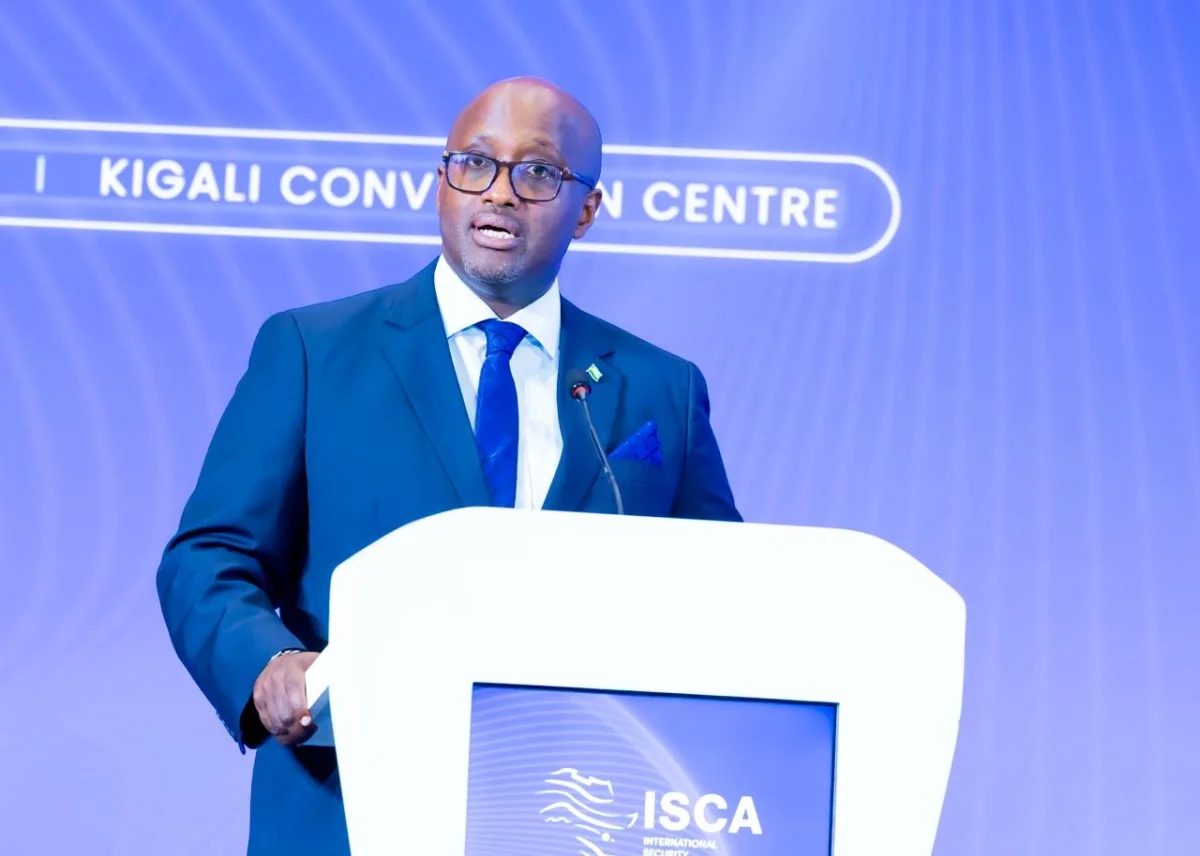
“Autonomous systems and artificial intelligence are increasingly accessible, including to non-state actors. This means that our defence and security institutions must continuously adapt and stay ahead. Africa cannot afford to fall behind as these technologies continue to evolve,” Nduhungirehe said.

Autonomous technologies are systems that can perceive their environment, make decisions and perform tasks with limited or no continuous human intervention.
They can include AI-powered software, robots, autonomous vehicles and other systems capable of adapting to changing conditions.
“At the same time, autonomous systems also present opportunities. They can help us respond more effectively to some of our most pressing security challenges, including terrorism, armed insurgencies and organised crime,” Nduhungirehe added.
Need for homegrown capacity
He said Africa’s ability to benefit from AI and these technologies will depend on its capacity to develop the skills, institutions and expertise needed to use and adapt the technologies to local needs.
Opportunities and risks
Amb Lt Gen (Rtd) Frank Mushyo Kamanzi, Executive Director of ISCA, said advances in artificial intelligence and autonomous aerial, maritime and ground systems are increasingly influencing warfare, border security, peace support operations and national defence.
He said autonomous systems, once regarded as technologies of the future, are now becoming part of current strategic and operational realities.
Examples of these technologies are already emerging in armed conflicts. Ukrainian forces have reportedly used AI-enabled weapons, including US-made Switchblade 300 and Switchblade 600 systems, which can identify and guide themselves towards targets.
The UN Security Council’s Panel of Experts on Libya also reported that a Turkish-made Kargu-2 drone was used during Libya’s civil war in 2020 and was capable of identifying and engaging targets without continuous human control.
For Africa, Kamanzi said, the technological shift presents both opportunities and challenges.
“Autonomous systems have enormous potential to enhance intelligence gathering, improve border surveillance, support maritime security, protect critical infrastructure and reduce risks to military and security personnel among other utilities,” he said.
But Kamanzi said the growing use of autonomous systems also raises questions. “How do we ensure meaningful human oversight and accountability regarding the use of force? How do we prevent the misuse of autonomous systems by non-state actors? What policy and legal frameworks do we require?”
He also highlighted the need to develop the skills, technical capacity and institutions required to operate and sustain autonomous systems.
Kamanzi said Africa should play a more active role in shaping global discussions around the development and governance of autonomous systems rather than simply adapting to decisions made elsewhere.